

Cooling Tips 101
How to breeze through a heat wave with ME & Long Covid

Heat can significantly worsen symptoms for people with ME and Long Covid, particularly for those with a strong dysautonomia (autonomic dysfunction) presentation. And preparation can make all the difference. It can very much feel as comfortable as a goth in summer - very unfun!

This is not “just being bad with heat.” For many disabled people, heat increases physiological stress, symptom burden, and risk of deterioration. It’s a disability access and political issue, especially for those in the workplace or in rented accommodation.
We’ve had an Instagram carousel and social media thread on top cooling tips for the last few years, but thought it would be helpful to cross-pollinate this into our 101 series.
Why heat hits harder
Many people with ME and Long Covid struggle to regulate body temperature effectively due to dysautonomia. Heat can worsen a multitude of symptoms, especially fatigue and post-exertional malaise, headaches, dizziness and sleep disturbance.
Some common medications, including some beta blockers and antihistamines, can also impair sweating or temperature regulation. So it is worth checking before a heat wave hits if you need to adjust medication.
People especially on the severe spectrum can struggle to adapt to the mitigations needed to reduce heat. The greatest impact can be on the most vulnerable.
Cool from the outside
External cooling can reduce symptom load and help prevent overheating.
Helpful tools include:
cooling vests
cooling neck wraps
migraine caps
gel packs
flannels
cooling mats
soaked microfibre towels
ice bricks wrapped in cloth
feet in cold water
spraying skin and clothes with water
Some people freeze hot water bottles and use them as cold packs.
If you are bedbound or severe, keeping cooling items in a cool box beside the bed can help conserve energy. If possible, ask someone else to refresh ice packs and prepare cooling supplies for you.
Cool from the inside
Hydration and internal cooling matter too.

Some ideas:
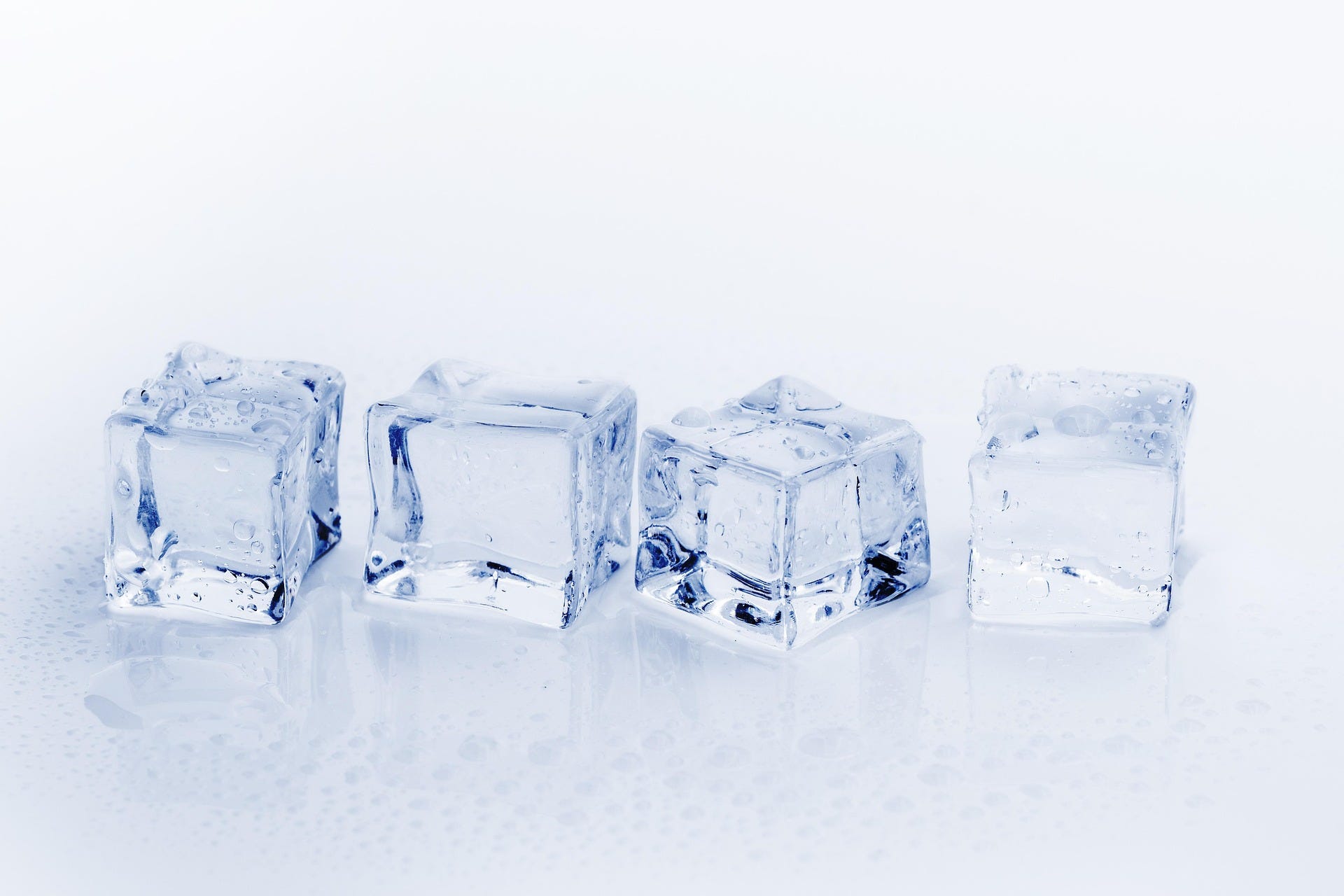
suck ice cubes
frozen grapes
ice lollies
cold fruit
chilled drinks kept beside the bed
homemade electrolyte ice lollies
Cold water can be easier to tolerate with:
mint
lemon or fruit
electrolyte powder
oral rehydration salts
Sip rather than gulp if nausea or dysautonomia worsens with fluids.
Many people also find:
salty snacks
electrolytes
helpful for orthostatic intolerance and heat-related symptom worsening.
Caffeine and alcohol can worsen dehydration and tachycardia for some people.
Airflow and cooling the room
Creating a “cool zone” in one room can make a huge difference.
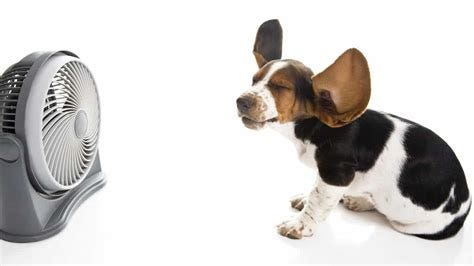
Possible options:
portable AC units
evaporative coolers
desk fans
wearable fans
cross-ventilation when outdoor temperatures drop
fans positioned to blow hot air out of windows
Some people mist the room lightly while using fans for evaporative cooling.
Quiet desk fans can help people with sensory sensitivities or migraine. (Meaco are good - no affiliation!)
One of the most effective ways to cool airflow is to place ice packs, frozen water bottles, or a bowl of ice cubes in front of a fan. This can cool you and the room down fast. If the sensation or noise of a fan is too much, even propping up flat ice packs near you can make a difference.
Cooling the house
A lot of heat management is actually about preventing heat build-up.
Strategies include:
opening windows early in the morning
using fans before the house heats up
closing blinds and curtains before peak heat
blackout &/or heat reflective blinds
blocking sunlight from outside where possible
External shading works better than internal blinds. If available:
shutters
awnings
reflective window film
shade from trees and plants
can significantly reduce indoor temperatures.
Other tips:
avoid using the oven
cold food prep where possible
sleep downstairs if upstairs retains heat
keep loft hatches or high windows open to vent hot air
wet sheets near windows can sometimes help cool airflow
If you are severe, asking others for practical help with cooling the environment is a legitimate access need.
Pacing in hot weather
Heat itself increases energy demand.
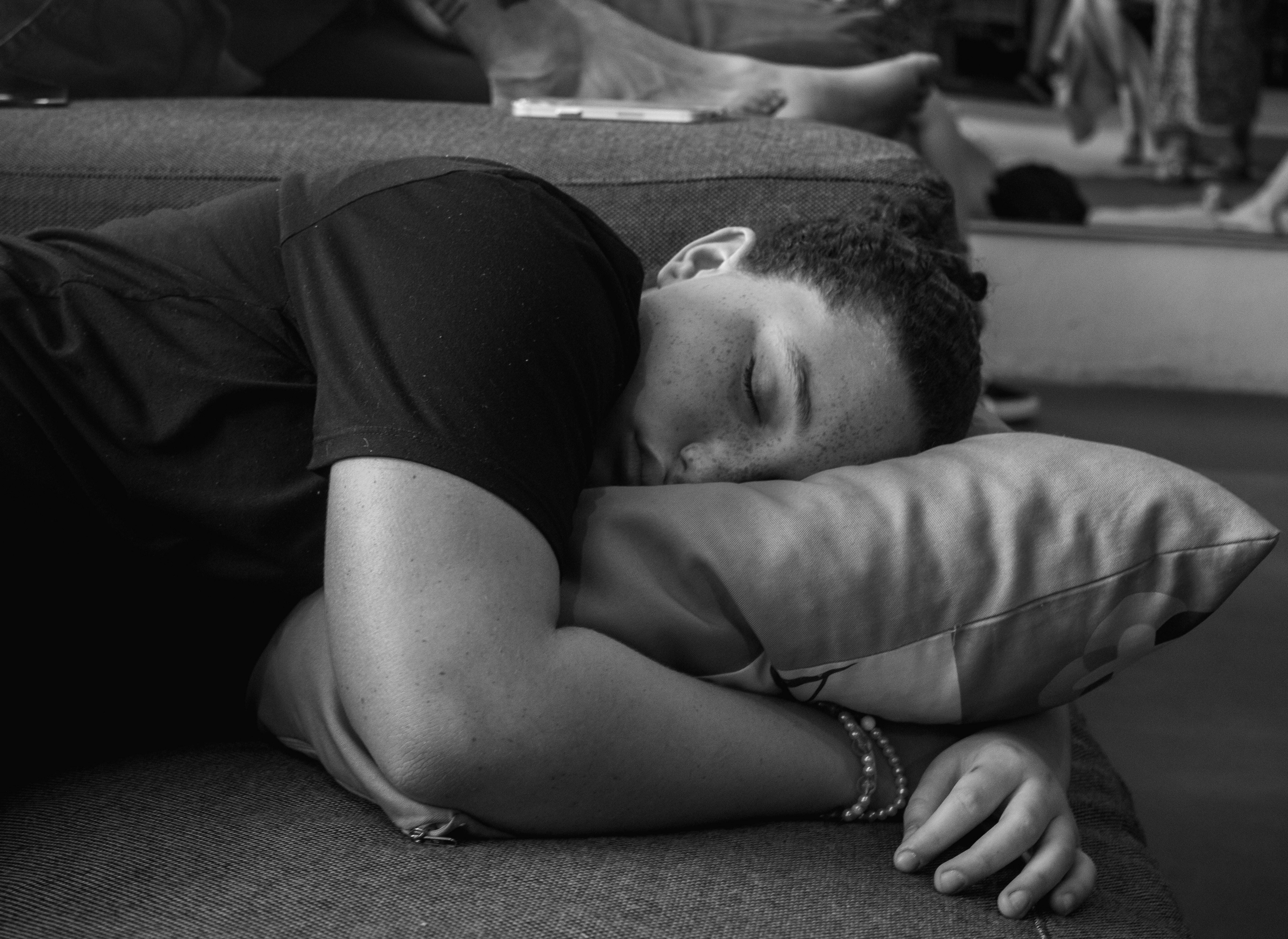
That means many people need to reduce activity during hot weather, even if they were previously stable.
You may need to:
rest more
pace more strictly
stay horizontal more often
reduce sensory load
postpone non-essential tasks
shift activity to early morning or late evening
This is not laziness or “deconditioning.” It is adaptation to physiological stress.
Sensory regulation and heat
Heat can intensify sensory sensitivity, particularly to light, noise, screens, touch, movement and social interaction.
For many people, overheating and sensory overload interact and can rapidly increase the risk of deteroration and post-exertional malaise.
Helpful adjustments may include:
sunglasses indoors or outdoors
blackout curtains
darkened rooms
dim lamps instead of overhead lighting
reducing screen brightness and red light blockers
eye masks
noise-cancelling headphones or earplugs
lightweight soft clothing
cool, low-stimulation environments
Some people also find that reducing sensory input lowers overall energy demand during heatwaves.
If you live with others, it can help to communicate that sensory adjustments are an access need, not a preference or overreaction.
Work, school, and accommodations
Heat can become an accessibility barrier.
In the UK, there is currently no legal maximum workplace temperature, but employers still have legal duties to provide a “reasonable” working environment and manage heat-related risks. (HSE)
For disabled workers and pupils, ME and Long Covid may also fall under protections in the Equality Act 2010 if symptoms have a substantial and long-term impact on daily life.
Reasonable adjustments during heatwaves may include:
remote working
flexible hours
additional rest breaks
fans or cooling equipment
relaxed dress codes
reduced workload
moving desks away from heat sources
sickness absence flexibility
access to cooler rooms
Employers have duties to assess workplace risks, including heat stress, so do ask or write if these are not in place. (HSE)
Heat vulnerability should not be treated as a personal failing but rather as an institutional responsibility that benefits all.
Community care during heatwaves
People who are severe or housebound may need additional support during extreme heat.
That can include:
bringing cold drinks
replacing ice packs
preparing cold meals
helping cool rooms
checking in regularly
helping access medications or electrolytes
If you are able-bodied and know someone with ME or Long Covid, heatwaves are a good time to ask what support would actually help. A good policy is to let them know you are available and can be called on in a heatwave.
Needs are individual, so flexibility matters and awareness that social interaction and timing may need to accomodated for the person’s safety.
Final thoughts
There is no single “correct” way to manage heat with ME or Long Covid. Bodies, access and severity differ. So adapt and use what works for you and do ask for help if needed. A personal plan or action from this guide can help you be prepared like every good Brownie!
The goal is not to stay as productive as we can during heatwaves. We need to be kind to ourselves and rest as much as we need too. Awareness that ‘small’ acts can reduce harm from those around people with Long Covid and ME is vital too, and can prevent deterioration for loved ones.
These tips have made a significant difference to us. With the climate only getting hotter in the UK and in many parts of the world, it also shows how interconnected climate justice, disability and chronic illness are.
If you have any cooling tips that work for you, do let us know in the comments. We are more than happy to add to this resource.
Stay cool peeps! If in doubt become as cat-like as possible - sleep, rest, find a cool spot and don’t care what anyone around you thinks.

Note: We are thinking of putting our 101 series into PDFs that can be downloaded on our website. Do let us know if you think this would be useful! Biopsychosocial 101 is going through final edits and should be out next week. So watch this space!
We also have a livestream (X, YouTube, Facebook) with Elinor Cleghorn on May 28th discussing Medical Misogyny and the recording will be available here. Excited is not the word!
Hello, thank you for this! Yes, a downloadable PDF would be useful. Many thanks.
Thank you so much for all you do!